

Why Regular Health Check-Ups Can Save Your Life
In today's busy lifestyle, many people tend to ignore their health until they experience symptoms that interfere with their daily lives. Unfortunately, waiting for symptoms to appear can be risky because many serious health conditions develop silently and may not show warning signs until significant damage has already occurred. This is why regular health check-ups are one of the most important investments you can make for your overall well-being.
Preventive healthcare focuses on identifying health problems before they become serious. Regular medical examinations help detect diseases early, monitor existing health conditions, and provide an opportunity to make positive lifestyle changes. In many cases, early diagnosis can save lives and significantly improve treatment outcomes.
What Are Regular Health Check-Ups?
A health check-up is a comprehensive assessment of your physical health. It involves medical consultations, physical examinations, and diagnostic tests that help evaluate your body's overall functioning.
Depending on your age, medical history, and risk factors, a routine health check-up may include:
- Blood pressure monitoring
- Blood sugar testing
- Cholesterol screening
- Complete blood count (CBC)
- Kidney function tests
- Liver function tests
- Thyroid profile
- Body Mass Index (BMI) assessment
- Heart health evaluation
- Urine examination
- Cancer screenings when recommended
These tests help identify underlying health concerns before symptoms become noticeable.
The Importance of Early Disease Detection
One of the greatest benefits of regular health check-ups is the ability to detect diseases at an early stage. Early diagnosis often means simpler treatment, better recovery rates, and a lower risk of complications.
Detecting Diabetes Early
Diabetes can develop gradually without obvious symptoms. Elevated blood sugar levels may damage the eyes, kidneys, nerves, and heart long before a diagnosis is made. Routine blood sugar testing can identify diabetes early and allow timely treatment.
Identifying High Blood Pressure
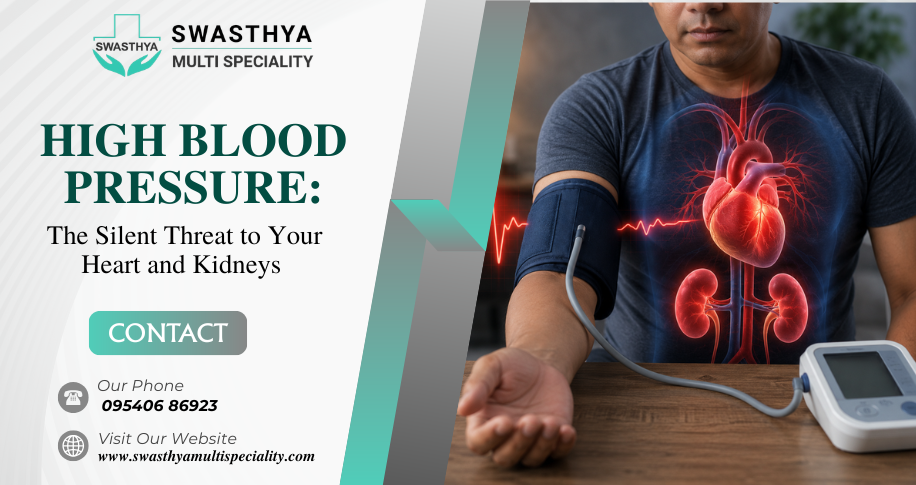
High blood pressure is often called the "silent killer" because it usually causes no symptoms. Without regular monitoring, hypertension can go unnoticed for years while damaging the heart, brain, kidneys, and blood vessels.
Monitoring Heart Health
Heart disease remains one of the leading causes of death worldwide. Regular screenings can detect risk factors such as high cholesterol, obesity, diabetes, and hypertension before they lead to serious cardiovascular complications.
Detecting Kidney Disease
Kidney disease often progresses silently. Blood and urine tests performed during routine health check-ups can identify kidney problems early and help prevent long-term damage.
Cancer Screening
Certain cancers can be detected at an early stage through routine screening tests. Early detection significantly increases the chances of successful treatment and survival.
Preventing Serious Health Complications
Health check-ups are not only about diagnosing diseases; they also help prevent complications before they occur. Early intervention can reduce the risk of:
- Heart attacks
- Stroke
- Kidney failure
- Vision loss
- Nerve damage
- Uncontrolled diabetes
- Chronic respiratory conditions
By identifying risk factors early, physicians can recommend lifestyle modifications and treatment plans that prevent disease progression.
Monitoring Existing Medical Conditions
Individuals already diagnosed with chronic illnesses such as diabetes, hypertension, thyroid disorders, or heart disease require regular follow-up care. Routine medical evaluations help physicians assess how well treatment plans are working and whether any adjustments are needed.
Regular monitoring helps:
- Track disease progression
- Improve medication effectiveness
- Prevent complications
- Maintain stable health conditions
- Enhance quality of life
Consistent follow-up appointments are essential for long-term disease management.
Encouraging Healthy Lifestyle Choices
Health check-ups provide an excellent opportunity to discuss lifestyle habits and receive professional medical guidance. Physicians can offer personalized recommendations regarding:
Nutrition
A balanced diet plays a major role in preventing chronic diseases. During check-ups, patients can receive guidance on healthy eating habits that support overall wellness.
Physical Activity
Regular exercise improves heart health, blood sugar control, weight management, and mental well-being. Physicians can recommend suitable physical activities based on individual health needs.
Weight Management
Being overweight or obese increases the risk of numerous health problems. Routine assessments help track weight changes and encourage healthy lifestyle modifications.
Stress Management
Chronic stress can negatively affect both physical and mental health. Medical consultations can provide strategies to manage stress and improve overall well-being.
Cost-Effective Healthcare
Many people avoid health check-ups because they believe they are unnecessary or expensive. However, preventive healthcare is often far more affordable than treating advanced diseases.
Detecting and managing health conditions early can help avoid:
- Emergency hospitalizations
- Major surgeries
- Long-term complications
- Expensive treatments
- Extended hospital stays
Investing in preventive healthcare today can save substantial medical expenses in the future.
Who Should Get Regular Health Check-Ups?
Everyone can benefit from routine health screenings, but they are particularly important for individuals who:
- Are over 30 years of age
- Have a family history of diabetes, hypertension, or heart disease
- Are overweight or obese
- Smoke or consume alcohol regularly
- Lead a sedentary lifestyle
- Experience chronic stress
- Have existing medical conditions
Even healthy individuals should schedule annual health assessments to ensure that hidden health problems are not overlooked.
How Often Should You Have a Health Check-Up?
The frequency of health check-ups depends on age, health status, and risk factors. In general:
- Healthy adults should undergo a comprehensive health examination once a year.
- Individuals with chronic diseases may require more frequent monitoring.
- Older adults often benefit from regular screenings to detect age-related health conditions.
Your physician can recommend an appropriate screening schedule based on your individual health profile.
Conclusion
Regular health check-ups are one of the most effective tools for maintaining good health and preventing serious diseases. Conditions such as diabetes, hypertension, heart disease, kidney disorders, and certain cancers often develop silently, making routine medical evaluations essential. Early detection allows timely treatment, reduces the risk of complications, and improves long-term health outcomes. By prioritizing preventive healthcare, adopting healthy lifestyle habits, and scheduling regular medical screenings, you can take control of your health and enjoy a longer, healthier, and more active life. Remember, a simple health check-up today could save your life tomorrow.