
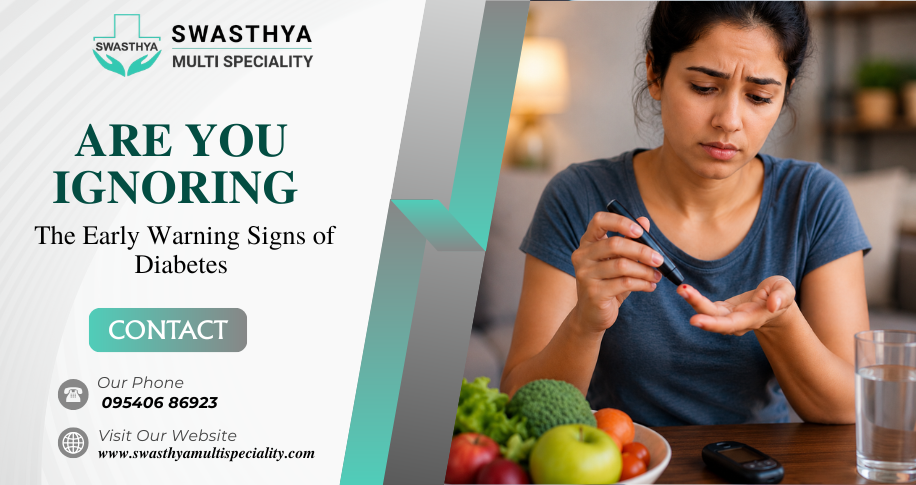
Early Warning Signs of Diabetes You Should Never Ignore
Diabetes is one of the fastest-growing health concerns worldwide, affecting millions of people across all age groups. What makes diabetes particularly dangerous is that it often develops silently, with symptoms appearing gradually and going unnoticed for months or even years. Many people dismiss the early warning signs as stress, fatigue, aging, or a busy lifestyle, delaying diagnosis and treatment. Unfortunately, untreated diabetes can lead to serious complications affecting the heart, kidneys, eyes, nerves, and blood vessels.
Recognizing the early signs of diabetes and seeking timely medical attention can help prevent long-term health problems and improve quality of life.
What Is Diabetes?
Diabetes is a chronic medical condition that occurs when the body cannot properly regulate blood sugar (glucose) levels. Glucose is the body's primary source of energy, and insulin, a hormone produced by the pancreas, helps move glucose from the bloodstream into the cells.
When the body either does not produce enough insulin or cannot effectively use the insulin it produces, blood sugar levels rise. Over time, persistently high blood sugar can damage various organs and systems throughout the body.
Common Early Warning Signs of Diabetes
1. Frequent Urination
One of the earliest signs of diabetes is the need to urinate more frequently than usual, especially during the night. When blood sugar levels become too high, the kidneys work harder to remove excess glucose from the bloodstream. This process increases urine production, leading to frequent trips to the bathroom.
2. Excessive Thirst
Because the body loses more fluids through increased urination, individuals with diabetes often experience excessive thirst. Even after drinking water, they may continue to feel dehydrated and thirsty throughout the day.
3. Unexplained Weight Loss
Sudden or unexplained weight loss can be an early indication of diabetes, particularly when accompanied by other symptoms. When the body cannot use glucose properly for energy, it begins breaking down fat and muscle tissue, resulting in weight loss despite normal eating habits.
4. Constant Fatigue
Feeling tired occasionally is normal, but persistent fatigue can signal an underlying health issue. High blood sugar levels prevent cells from receiving adequate energy, leaving individuals feeling weak, exhausted, and lacking motivation even after sufficient rest.
5. Increased Hunger
People with diabetes may feel hungry more often than usual, even shortly after eating. Since glucose cannot effectively enter the body's cells, the brain receives signals indicating a lack of energy, triggering increased appetite.
6. Blurred Vision
High blood sugar can affect the tiny blood vessels and fluid balance within the eyes, leading to temporary blurred vision. If left untreated, diabetes can cause serious eye complications and increase the risk of vision loss.
7. Slow-Healing Wounds
Cuts, bruises, and minor injuries that take longer than usual to heal may be a sign of diabetes. Elevated blood sugar levels can impair circulation and weaken the body's natural healing process.
8. Frequent Infections
Individuals with uncontrolled diabetes are more susceptible to infections, including skin infections, urinary tract infections, and fungal infections. High blood sugar can weaken the immune system, making it harder for the body to fight harmful microorganisms.
9. Tingling or Numbness in Hands and Feet
Persistent tingling, burning sensations, or numbness in the hands and feet may indicate nerve damage caused by elevated blood sugar levels. Early detection and treatment are essential to prevent progression.
Who Is at Risk?
While diabetes can affect anyone, certain factors increase the likelihood of developing the condition:
- Family history of diabetes
- Being overweight or obese
- Sedentary lifestyle
- High blood pressure
- High cholesterol levels
- History of gestational diabetes
- Polycystic ovary syndrome (PCOS)
- Increasing age
- Unhealthy dietary habits
Individuals with one or more of these risk factors should consider regular health screenings and blood sugar monitoring.
Why Early Diagnosis Matters
Many people live with diabetes for years before receiving a diagnosis. During this period, high blood sugar may silently damage vital organs. Early diagnosis allows for timely intervention, lifestyle modifications, and medical treatment that can significantly reduce the risk of complications.
Managing diabetes in its early stages can help prevent:
- Heart disease and stroke
- Kidney damage
- Vision problems
- Nerve damage
- Foot complications
- Poor wound healing
The earlier diabetes is identified, the better the chances of maintaining long-term health and preventing serious consequences.
How Can You Reduce Your Risk?
Preventing or delaying the onset of type 2 diabetes often involves simple but effective lifestyle changes.
Maintain a Healthy Weight
Even modest weight loss can improve insulin sensitivity and reduce diabetes risk.
Stay Physically Active
Regular exercise helps the body use insulin more efficiently and supports healthy blood sugar levels. Aim for at least 30 minutes of moderate physical activity most days of the week.
Eat a Balanced Diet
Focus on whole grains, fruits, vegetables, lean proteins, and healthy fats while limiting sugary foods, processed snacks, and sweetened beverages.
Monitor Your Health
Regular medical check-ups and blood sugar testing are particularly important for individuals with risk factors or a family history of diabetes.
Manage Stress
Chronic stress can affect blood sugar control. Practicing relaxation techniques, maintaining good sleep habits, and staying active can help manage stress effectively.
When Should You See a Doctor?
If you experience symptoms such as excessive thirst, frequent urination, unexplained weight loss, persistent fatigue, blurred vision, or slow-healing wounds, it is important to seek medical advice. Early evaluation and testing can help identify diabetes before complications develop.
Conclusion
Diabetes often begins with subtle symptoms that many people overlook. Frequent urination, excessive thirst, fatigue, increased hunger, blurred vision, and slow-healing wounds should never be ignored. Recognizing these early warning signs and seeking timely medical attention can make a significant difference in preventing long-term health complications. Regular health check-ups, healthy lifestyle choices, and early diagnosis remain the most effective tools in managing diabetes and protecting your overall well-being. If you notice any warning signs, consult a qualified physician promptly and take the first step toward better health.