
High Blood Pressure: The Silent Threat to Your Heart and Kidneys
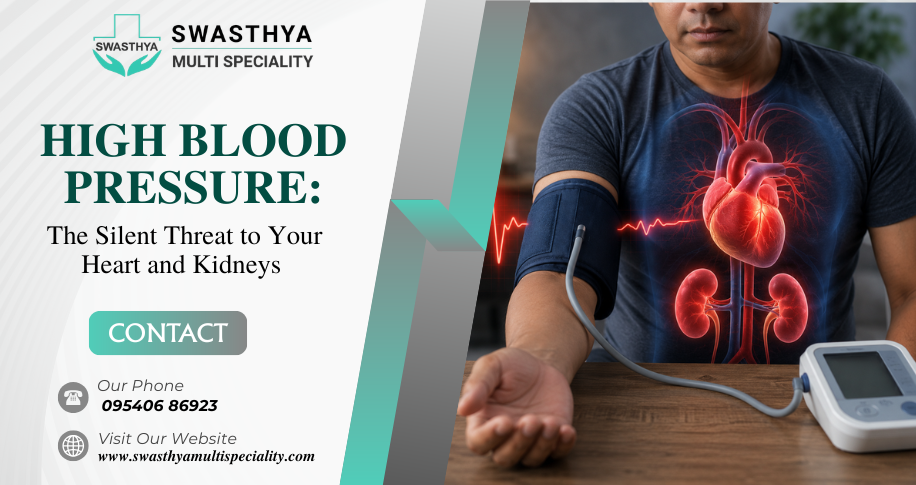
High blood pressure, medically known as hypertension, is one of the most common health conditions affecting millions of people worldwide. Despite its prevalence, it often goes unnoticed because it rarely causes symptoms in its early stages. This is why hypertension is frequently referred to as the "silent killer." While you may feel perfectly healthy, uncontrolled high blood pressure can gradually damage vital organs, particularly the heart and kidneys, leading to serious and potentially life-threatening complications.
Understanding the risks associated with hypertension and taking steps to monitor and manage it can significantly improve your long-term health and quality of life.
What Is High Blood Pressure?
Blood pressure is the force of blood pushing against the walls of your arteries as your heart pumps it throughout the body. It is measured using two numbers:
- Systolic Pressure: The upper number, which measures pressure when the heart beats.
- Diastolic Pressure: The lower number, which measures pressure when the heart rests between beats.
A normal blood pressure reading is generally around 120/80 mmHg. When blood pressure remains consistently elevated above the recommended range, it can place excessive strain on blood vessels and organs.
Why Is Hypertension Dangerous?
The danger of hypertension lies in its ability to cause damage gradually over many years without producing noticeable symptoms. Many individuals discover they have high blood pressure only after experiencing complications such as a heart attack, stroke, or kidney disease.
Without proper management, hypertension can affect nearly every organ system in the body, but the heart and kidneys are particularly vulnerable.
How High Blood Pressure Affects the Heart
Increased Workload on the Heart
When blood pressure is elevated, the heart must work harder to pump blood throughout the body. Over time, this extra effort can cause the heart muscle to thicken and become less efficient.
Coronary Artery Disease
High blood pressure damages the inner lining of arteries, making them more prone to plaque buildup. This narrowing of the arteries reduces blood flow to the heart and increases the risk of coronary artery disease.
Heart Attack
When blood flow to the heart becomes blocked due to narrowed or damaged arteries, a heart attack can occur. Hypertension is one of the leading risk factors for cardiovascular disease worldwide.
Heart Failure
Persistent hypertension can weaken the heart over time, reducing its ability to pump blood effectively. This condition, known as heart failure, can cause fatigue, shortness of breath, and reduced quality of life.
Stroke Risk
High blood pressure can also damage blood vessels in the brain, significantly increasing the risk of stroke, which can result in long-term disability or even death.
How High Blood Pressure Damages the Kidneys
The kidneys play a crucial role in filtering waste products and excess fluids from the bloodstream. They contain delicate blood vessels that are highly sensitive to changes in blood pressure.
Damage to Kidney Blood Vessels
Elevated blood pressure can narrow, weaken, or damage the blood vessels within the kidneys. As a result, the kidneys may become less efficient at filtering blood.
Chronic Kidney Disease
Over time, uncontrolled hypertension can lead to chronic kidney disease (CKD), a condition in which kidney function gradually declines. CKD often progresses silently and may not produce symptoms until significant damage has occurred.
Kidney Failure
In severe cases, hypertension can cause kidney failure, requiring dialysis or kidney transplantation to sustain life. High blood pressure is one of the leading causes of kidney failure worldwide.
Common Risk Factors for Hypertension
Several factors increase the likelihood of developing high blood pressure, including:
- Family history of hypertension
- Increasing age
- Overweight or obesity
- Physical inactivity
- High salt intake
- Smoking and tobacco use
- Excessive alcohol consumption
- Chronic stress
- Diabetes
- High cholesterol levels
- Poor dietary habits
Understanding these risk factors can help individuals take preventive measures before hypertension develops.
Are There Any Symptoms?
One of the most concerning aspects of hypertension is that it often causes no symptoms. However, some individuals with severely elevated blood pressure may experience:
- Persistent headaches
- Dizziness
- Blurred vision
- Shortness of breath
- Chest discomfort
- Fatigue
- Nosebleeds
Because symptoms are unreliable, regular blood pressure monitoring remains essential for early detection.
How to Prevent and Control High Blood Pressure
Follow a Healthy Diet
A balanced diet rich in fruits, vegetables, whole grains, lean proteins, and low-fat dairy products can help maintain healthy blood pressure levels. Limiting salt, processed foods, and sugary beverages is equally important.
Stay Physically Active
Regular exercise strengthens the heart and improves blood circulation. Activities such as walking, jogging, cycling, swimming, and yoga can help lower blood pressure naturally.
Maintain a Healthy Weight
Excess body weight places additional strain on the heart and blood vessels. Losing even a small amount of weight can have a positive impact on blood pressure control.
Manage Stress Effectively
Long-term stress can contribute to elevated blood pressure. Relaxation techniques, meditation, adequate sleep, and regular physical activity can help reduce stress levels.
Avoid Smoking and Limit Alcohol
Smoking damages blood vessels and significantly increases cardiovascular risk. Limiting alcohol intake and avoiding tobacco products are important steps toward maintaining heart and kidney health.
Take Prescribed Medications
For many individuals, lifestyle modifications alone may not be sufficient. Blood pressure medications prescribed by a physician can help maintain safe blood pressure levels and prevent complications.
The Importance of Regular Health Check-Ups
Since hypertension often develops silently, routine health check-ups are critical. Regular blood pressure monitoring can identify elevated readings early, allowing timely intervention before serious complications occur.
People with diabetes, obesity, heart disease, kidney disease, or a family history of hypertension should be especially vigilant about regular screenings.
Conclusion
High blood pressure is a silent but serious threat to both heart and kidney health. Although it may not cause symptoms, uncontrolled hypertension can lead to heart attacks, strokes, heart failure, chronic kidney disease, and kidney failure. The good news is that regular monitoring, healthy lifestyle habits, and timely medical care can effectively manage blood pressure and significantly reduce the risk of complications. By prioritizing preventive healthcare and taking proactive steps to control hypertension, you can protect your heart, preserve kidney function, and enjoy a healthier, longer life.