
.png)
Consultation and Physical Examination: What to Expect at Your Doctor's Visit
Most people see a doctor only when something feels wrong. But a good consultation and physical examination can catch problems early, often before symptoms appear. If you are looking for the Best General Physician in Noida, knowing what a proper visit involves will help you get the most out of every appointment.
What Is a Medical Consultation?
A consultation is a structured conversation between you and your doctor. It is where the doctor understands your concerns, your health history and your daily habits before deciding on any tests or treatment.
During a consultation, your doctor will usually ask about:
- Your main complaint: what you feel, when it started and how severe it is
- Medical history: past illnesses, surgeries, allergies and hospital stays
- Current medicines: including supplements and home remedies
- Family history: conditions such as diabetes, high blood pressure or heart disease
- Lifestyle: diet, sleep, exercise, stress, smoking and alcohol
Be honest and specific. Even details that seem minor can help your doctor reach the right diagnosis.
What Is a Physical Examination?
A physical examination is the hands-on part of the visit. The doctor checks your body for signs that explain your symptoms or reveal hidden health issues.
Vital signs
The visit usually begins with the basics:
- Blood pressure
- Pulse and heart rate
- Body temperature
- Breathing rate
- Weight, height and BMI
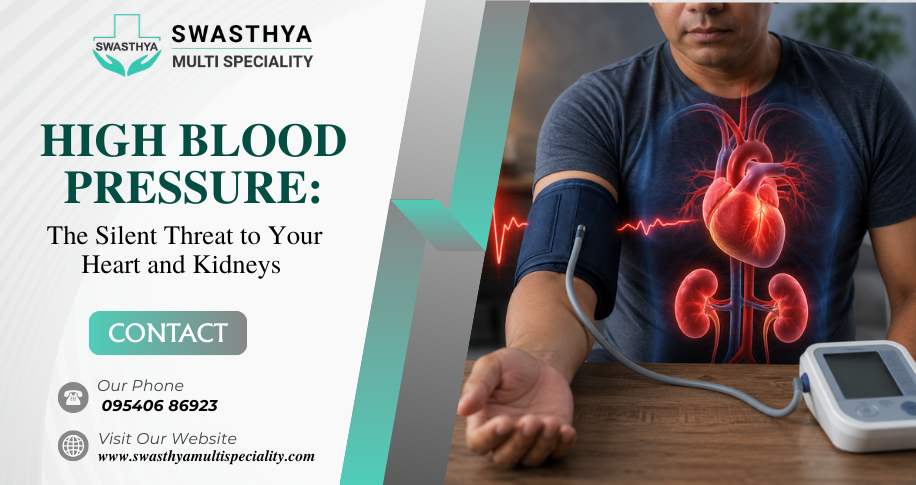
High blood pressure often has no symptoms, which is why the WHO calls it a "silent killer" and recommends regular checks.
Head-to-toe check
Depending on your complaint, your doctor may examine:
- Eyes, ears, nose and throat for infection or inflammation
- Heart and lungs, using a stethoscope to listen for irregular sounds
- Abdomen, to check for tenderness, swelling or enlarged organs
- Skin, nails and joints for rashes, swelling or restricted movement
- Reflexes and nerves, if there is numbness, weakness or dizziness
The exam is normally quick and painless. You can always ask the doctor to explain what they are doing.
Tests That May Follow
Based on your consultation and examination, your doctor may suggest tests such as:
- Blood sugar (fasting and post-meal) and HbA1c
- Complete blood count
- Lipid profile (cholesterol)
- Thyroid, liver and kidney function tests
- ECG, urine tests or a chest X-ray
Not everyone needs every test. Good doctors recommend only what your situation requires. The NHS is a useful example of how targeted screening can help detect conditions like heart disease, diabetes and kidney disease early.
Why Regular Check-Ups Matter
Chronic conditions such as diabetes, hypertension and thyroid disorders can develop slowly. According to the WHO, non-communicable diseases account for the majority of deaths worldwide, and many are preventable or manageable when found early.
Regular consultations help you:
- Detect problems before they become serious
- Keep existing conditions under control
- Get vaccinations and preventive advice on time
- Build a long-term relationship with a doctor who knows your history
That last point is why many families look for the Best General Physician in Noida they can reach easily and visit year after year.
How to Prepare for Your Appointment
A little preparation makes the visit more useful:
- Write down your symptoms and when they began
- Carry old prescriptions, reports and test results
- List all medicines and supplements you take
- Prepare your questions in advance
- Wear loose, comfortable clothing
- Follow fasting instructions if blood tests are planned
How to Choose the Right Doctor
When searching for the Best General Physician in Noida, look beyond the title. Check the doctor's qualifications and experience, whether they listen patiently, and whether they explain your diagnosis in simple language. Convenient location, clear fees and follow-up support also matter.
For example, Dr. Prakhar Garg is a general physician and diabetologist (MD, Internal Medicine) at Swasthya Multi Speciality Clinic, Sector 77, Noida. He has over 10 years of experience, and his listed areas include diabetes management, fever, thyroid problems, asthma and liver and kidney conditions. Please confirm timings and services with the clinic before visiting.
When Should You See a Doctor Right Away?
Do not wait for a routine appointment if you have:
- Chest pain or sudden breathlessness
- High fever lasting more than three days
- Sudden weakness, confusion or slurred speech
- Severe abdominal pain or persistent vomiting
- Unexplained weight loss
Final Thoughts
A thorough consultation and physical examination is the foundation of good healthcare. It builds trust, guides the right treatment and keeps small problems from becoming big ones. Whether you need a routine check-up or help with a long-standing condition, booking a visit with the Best General Physician in Noida is a simple step toward better health.
Frequently Asked Questions (FAQs)
1. How long does a consultation and physical examination take? Usually 15 to 30 minutes. A first visit or a detailed health check-up can take longer.
2. Do I need to fast before a general physical examination? Not for the physical exam itself. If blood tests such as fasting sugar or cholesterol are planned, you may need to fast for 8 to 12 hours. Your doctor will tell you.
3. How often should I get a health check-up? Healthy adults generally benefit from a check-up once a year. If you have diabetes, high blood pressure or other conditions, your doctor may recommend more frequent visits.
4. Is a physical examination painful? No. It is non-invasive and usually involves listening, observing and gentle touch. Tell your doctor if anything is uncomfortable.
5. What should I bring to my first appointment? Bring your ID, previous medical records, current medicines, recent test reports and a list of questions.
6. Can a general physician refer me to a specialist? Yes. If your condition needs specialist care, your general physician will refer you and coordinate your treatment.
.png)
.png)
.png)