
.png)
Basic Tests: Blood Sugar, BP Check, ECG, Blood and Urine Tests
Many serious health problems start quietly. Diabetes, high blood pressure and heart rhythm problems can develop without obvious symptoms, which is why a few simple tests matter so much. If you want a trusted doctor to guide you, consult the Best General Physician in Noida for a complete check-up.
This guide explains five basic tests, what they measure and how to prepare.
1. Blood Sugar Test
A blood sugar test measures the glucose in your blood and is the main way to detect diabetes and prediabetes.
- Fasting sugar: taken after 8 hours without food
- Post-meal (PP) sugar: taken about 2 hours after eating
- HbA1c: shows your average sugar level over 2 to 3 months
You should be tested if you are over 30, overweight, have a family history of diabetes, or notice excessive thirst, frequent urination or unexplained tiredness. The World Health Organization notes that early detection and treatment help prevent serious complications.
2. Blood Pressure (BP) Check
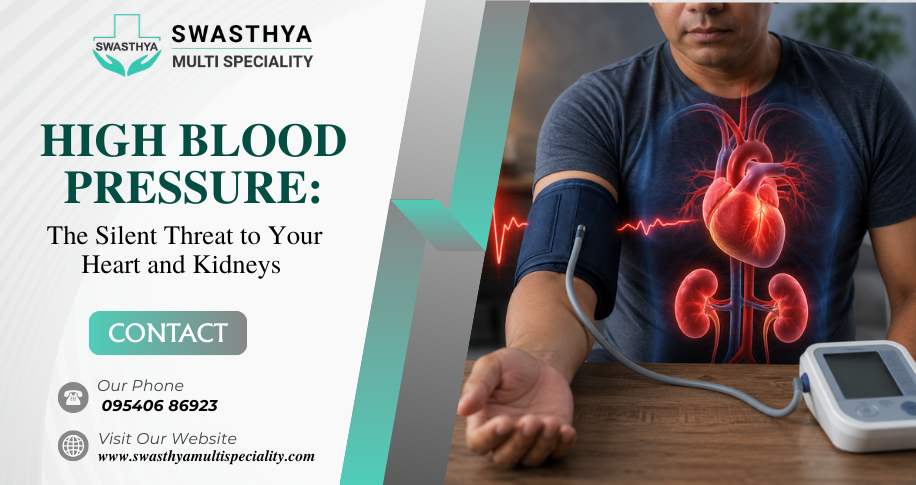
A cuff around your upper arm measures two numbers: systolic (pressure when the heart beats) and diastolic (pressure when it rests). A reading around 120/80 mmHg is generally considered normal, while repeated readings of 140/90 mmHg or higher may indicate hypertension.
According to the WHO, many people with high blood pressure have no symptoms, so regular checks are essential.
3. ECG (Electrocardiogram)
An ECG records the electrical activity of your heart. Sensors are placed on your chest, arms and legs, and the painless test takes only 5 to 10 minutes.
Your doctor may recommend it if you have chest pain, palpitations, breathlessness, dizziness, or risk factors such as diabetes, high BP or a family history of heart disease. The NHS explains that an ECG can help detect heart rhythm problems and signs of a previous heart attack.
4. Blood Tests
Blood tests give a detailed picture of your overall health. Common ones include:
- Complete Blood Count (CBC): checks for anaemia and infection
- Lipid profile: measures cholesterol and triglycerides
- Liver and kidney function tests: show how well these organs work
- Thyroid profile (TSH): detects an underactive or overactive thyroid
The NHS describes a blood test as a simple procedure in which a small sample is taken from a vein, usually in your arm. Some tests need fasting, so follow your doctor's instructions.
5. Urine Tests
A urine test is non-invasive and can reveal problems with your kidneys, bladder and metabolism. It checks for protein (possible kidney problems), glucose (possible diabetes), blood cells and bacteria (signs of infection). For accurate results, collect a midstream sample in a clean container.
How Often Should You Get Tested?
- Healthy adults under 40: every 1 to 2 years
- Adults over 40: once a year
- People with diabetes, BP or heart disease: as advised, often every 3 to 6 months
A doctor who knows your history can decide which tests you need and which you can skip. The Best General Physician in Noida will explain your reports clearly and will not order unnecessary tests.
Why Reports Need a Doctor's Review
A report shows numbers, not the full story. A value slightly outside the normal range may be harmless in one person and important in another, because age, medicines, diet and symptoms all matter. Never treat yourself based on a report alone; ask the Best General Physician in Noida to review it.
For example, Dr. Prakhar Garg (MD, Internal Medicine) at Swasthya Multi Speciality Clinic, Sector 77, Noida, is listed as treating diabetes, thyroid problems, fever, asthma and liver and kidney conditions. Please confirm available tests and timings with the clinic before visiting.
Final Thoughts
Simple tests like blood sugar, BP, ECG, blood and urine examinations are powerful tools for preventing serious illness. They are quick, affordable and often life-saving. Book a visit with the Best General Physician in Noida to get the right tests at the right time and understand what your results mean.
Frequently Asked Questions (FAQs)
1. Do I need to fast for all blood tests? No. Fasting is usually needed for fasting sugar and lipid profile tests, but not for many others, such as CBC. Your doctor or lab will advise you.
2. Is an ECG painful or harmful? No. It only records electrical signals from your heart and sends no current into your body.
3. How long do test results take? BP and ECG results are immediate. Most blood and urine reports are ready within hours to a day.
4. Can I drink water before a fasting blood test? Yes, plain water is normally allowed.
5. What is a normal fasting blood sugar level? A fasting level below 100 mg/dL is generally considered normal, but your doctor will interpret your result based on your health.
.png)
.png)
.png)